
What is Community Management? Definition, Benefits & Examples
Community management is the process of creating meaningful experiences that keep people engaged with your organization. It helps community centers, municipalities, associations, campuses, nonprofits, and membership organizations connect people with events, programs, memberships, and spaces.
In this guide, you'll learn:
- What community management is
- Key benefits
- How it works
- Real-world examples
- How technology helps organizations manage communities more effectively
I. What Is Community Management?
Community management is the practice of building and managing relationships between an organization and the people it serves.
For organizations that host events, manage programs, offer memberships, or rent facilities, community management includes:
- Event planning and promotion
- Registrations and ticketing
- Facility bookings and rentals
- Membership management
- Participant communication
- Payment processing
- Engagement tracking and reporting
Simply put, community management helps organizations create consistent experiences that encourage participation and long-term engagement.
Whether someone attends an event, joins a membership program, or rents a meeting room, community management ensures the experience is smooth from start to finish.
II. Benefits of Effective Community Management
A strong community management strategy improves both participant experiences and organizational efficiency.
- Increase Participation: When events, programs, and activities are easy to discover and register for, participation naturally grows.
- Improve Communication: Automated confirmations, reminders, and updates keep people informed and reduce no-shows.
- Reduce Administrative Work: Centralized systems eliminate duplicate data entry and reduce reliance on spreadsheets, emails, and manual processes.
- Prevent Scheduling Conflicts: Organizations managing multiple rooms or facilities can avoid double bookings and improve resource utilization.
- Strengthen Member Engagement: Tracking participation across events, memberships, and rentals helps organizations build stronger long-term relationships.
- Gain Actionable Insights: Reporting tools help teams understand which programs, spaces, and activities generate the most engagement and revenue.
For organizations still shaping their engagement approach, learning how to build a community that grows and thrives can help define purpose, create consistency, and support long-term participation.

III. How Does Community Management Work?
Community management works by connecting the main parts of participation into one continuous journey. Instead of treating events, room rentals, memberships, and payments as separate tasks, organizations manage them as related steps in the same experience.
The core areas are:
- Programs, activities, and events.
- Registrations and ticketing.
- Facility bookings and rentals.
- Contacts and memberships.
- Online and onsite payments.
When these areas work together, people can move from discovery to participation with less friction.
1. Programs, activities, and events
Programs, activities, and events are often the most visible part of a community. They give people a reason to gather, learn, volunteer, celebrate, or connect.
A public calendar helps community members find what is happening across different locations. Further, with an organized event workflow, teams can publish one-time events, recurring activities, private gatherings, virtual sessions, hybrid events, and multi-day programs.
Organizations that need a stronger publishing process can use event management software to manage event visibility, promotion, registration, and attendance from one place. When teams are setting up new activities, a clear process for creating an event helps keep titles, dates, locations, descriptions, and registration details consistent.
2. Registrations and ticketing
Registrations and ticketing help organizations understand demand before an event happens. They also make it easier to manage capacity, collect attendee information, and plan staffing.
Community managers may use registration for free programs, RSVP-only meetings, paid workshops, fundraising events, or member-exclusive gatherings.
For paid and free events, event registration software and event ticketing software help organizations simplify sign-ups, track attendance, and process event participation more efficiently.
3. Facility bookings and rentals
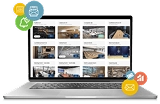
Facility bookings and rentals are central to community management when an organization rents rooms, halls, courts, studios, meeting spaces, or multipurpose areas.
A strong booking process helps teams collect requests, review details, approve or reject submissions, manage resources, and prevent double bookings.
Furthermore, organizations that manage spaces across multiple buildings can use venue management software to handle venue rentals and booking operations. For smaller rooms and internal reservations, meeting room booking software helps teams accept online reservations, booking requests, and payments.
To improve the request process, community teams should define how they receive space and resource booking requests and how they accept, reject, or edit space booking requests before confirming reservations.
4. Contacts and memberships
Contacts and memberships help organizations build long-term relationships instead of treating each event or booking as a separate interaction.
A contact is a person or organization connected to your programs, events, memberships, or bookings. A membership is an ongoing relationship that may include benefits, discounts, exclusive access, or recurring payments.
For example, a local association may offer members discounted tickets, early access to events, or priority room rental options. Further, when contacts and memberships are connected to activities, community managers can better understand who participates and how often they return.
A clear membership management process helps organizations connect plans, members, benefits, and payments to the broader community experience. For more context on member value, membership benefits that matter explains how organizations can create benefits that support loyalty and engagement.
5. Online and onsite payments for Community Management
Payments are part of community management when organizations charge for registrations, event tickets, memberships, rentals, deposits, or onsite purchases.
A connected payment process helps staff reduce manual reconciliation. It also gives participants more flexibility because they can pay online before an event or onsite when they arrive.
For in-person transactions, synced terminal readers help teams process onsite payments while keeping sales connected to event, registration, or membership activity.

IV. What is the Best Way to Manage Community Operations at Scale?
The best way to manage community operations at scale is to centralize events, registrations, space bookings, memberships, contacts, and payments in one connected system. This gives community members a smoother experience and gives staff better control over buildings, rooms, approvals, communication, and reporting.
This is especially important when an organization manages several spaces in different buildings. A manual process may work for one room, but it becomes difficult when teams manage multiple calendars, request forms, pricing rules, resources, and approval steps.
To build a stronger community management strategy, start with the full participation journey:
- Help people discover programs, activities, and events.
- Make registration or ticket purchase simple.
- Let people request spaces through a clear booking process.
- Keep contact and membership information organized.
- Collect online and onsite payments securely.
- Send confirmations, reminders, and updates.
- Review reports to improve future planning.
The goal is not only to publish information. The goal is to make participation easier for the community and operations easier for the team.
When updates require a more personal touch, custom notification templates help teams send targeted messages to attendees, purchasers, submitters, or specific groups.
V. Real-World Examples of Community Management
Now that we have covered the concept, benefits, and workflows, here are examples of how community management works in real organizations.
1. Community Centers
Community centers often manage fitness classes, workshops, recreation programs, public meetings, and facility rentals.
Effective community management helps staff coordinate schedules, registrations, communications, and payments from one place.
2. Municipal Organizations
Cities and local governments frequently oversee public meetings, recreation programs, cultural events, and facility rentals.
A centralized approach improves transparency for residents while giving staff better visibility into participation and facility usage.
3. Clubs and Associations
Associations and membership organizations use community management to engage members, promote events, manage benefits, and streamline communications.
A good example is the Columbia Valley Chamber of Commerce. By using Timely software to centralize event promotion and community engagement, the organization was able to attract new members and better serve its audience. Its events calendar page became one of the most visited sections of the website, driving both traffic and sustained community growth.
4. Libraries, Universities, and Cultural Centers
Libraries, university campuses, and cultural centers may manage many rooms across different buildings. Organizations with multiple buildings and shared spaces often face scheduling challenges.
Community management systems help staff coordinate calendars, manage room bookings, allocate resources, and keep participants informed.
VI. Why Technology Matters for Community Management
Community management becomes increasingly complex as organizations grow. While manual processes may work initially, they rarely scale effectively.
Modern community management software helps organizations:
- Publish events, programs, and activities
- Manage registrations, ticket sales, and attendance
- Accept facility and resource booking requests
- Track membership signups, dues, renewals, and benefit assignments
- Process payments online and onsite
- Automate communications
- Measure engagement and participation
By using technology to centralize operations, organizations spend less time on administration and more time serving their communities.
VII. How Timely Helps Organizations Manage Communities
Timely provides a complete platform for managing your whole community, from events and programs, to facilities and resources, to memberships, contacts, and payments. With Timely, organizations can:
- Publish and Promote Events: Create branded event calendars that help people discover programs and activities.
- Manage Registrations and Ticket Sales: Collect registrations, sell tickets, track attendance, and manage RSVPs.
- Streamline Facility Bookings: Accept booking requests, manage approvals, prevent scheduling conflicts, and oversee facility rentals.
- Organize Contacts and Memberships: Maintain a complete view of member activity and community engagement.
- Process Online and Onsite Payments: Accept payments for events, memberships, rentals, and onsite transactions from one platform.
By bringing community operations together, Timely helps organizations reduce manual work while delivering better experiences.
VIII. Conclusion
Community management is more than building relationships. It is about creating seamless experiences that keep people engaged.
Whether you're managing events, community programs, memberships, facility rentals, or public spaces, success depends on making participation easy and operations efficient.
Organizations that invest in strong community management processes can increase engagement, improve communication, reduce administrative work, and build stronger long-term relationships.
With Timely's community management software, organizations can manage all their community offerings from one connected platform, helping teams work smarter while creating exceptional community experiences.


