
2026 Guide for Marketing of Training Programs Online
Marketing of training programs helps training providers promote training courses and reach a broader audience in 2026. If you're a training company, business, provider, or instructor seeking to learn how to promote training courses and reach a broader audience, you've come to the right place.
Whether you're an established entity in the industry or just starting out, learning how to market a training program online is key to growing and succeeding. Join us as we explore the dynamic realm of marketing for training programs online. Where creativity, innovation, and data-driven decision-making converge to drive your courses towards unparalleled success!

I. Why Should You Promote Your Training Program?
Marketing of training programs is essential to promote training courses, reach the right audience, and support marketing a training program consistently. When training providers invest in promoting training courses, they increase visibility, credibility, and long-term growth.
Key reasons to start marketing training programs:
- Increase visibility and enrolment
- Build credibility and trust
- Gain competitive advantage
- Drive revenue growth
- Improve programs through feedback
- Strengthen partnerships
- Create a learning community
II. 20 Effective Ways for Marketing a Training Program Online
Marketing of training programs requires some effort and creativity. Nevertheless, it can be highly effective when done right. Here are some of the best ways professionals can promote training courses and keep promoting training courses consistently:
- Leverage Social Media
- Create a Blog
- Use Guest Posting
- Create A YouTube Channel
- Host Free Webinars
- Send Email Newsletters
- Utilize Forums and Online Communities
- Encourage Word of Mouth
- Offer Free Mini-Courses or Workshops
- Create Infographics and Visual Content
- Collaborate with Others
- Join LinkedIn Groups
- Create E-books and Guides
- Leverage User Testimonials
- Write Press Releases
- Answer Quora Questions
- Host Collaborative Online Events
- Take Advantage of SEO Optimization
- Create a Free Resource Library
- Timely Online Training Software

1. Leverage Social Media to Promote Training Course
Social media is one of the most effective channels to promote training courses, allowing training providers to reach learners where they already spend time. Additionally, platforms like LinkedIn, Instagram, and YouTube support visibility through organic content, engagement, and paid promotion.
When used consistently, social media strengthens marketing of training programs by keeping your courses visible throughout the decision-making journey. Sharing outcomes, learner success stories, and upcoming sessions helps turn attention into registrations over time.
Practical Example: Share success stories of previous learners on your audience’s preferred social network. Do not forget to add a link for people to enroll in your courses.
Result: Increased engagement and course sign-ups.
2. Create a Blog for Marketing a Training Program
A blog plays a central role in marketing a training program by attracting learners who are actively searching for knowledge, skills, and solutions. Publishing content related to your course topics allows you to educate prospects while introducing your training offerings naturally.
Over time, blogging supports marketing of training programs by building authority, improving search visibility, and guiding readers toward registration pages and lead magnets without relying only on paid channels.
Practical Example: Write an in-depth article and offer a downloadable checklist related to the course.
Result: Increased website traffic and lead generation.
3. Leverage Guest Posting
Guest posting helps training providers promote training courses by publishing expert content on trusted industry websites. Also, this approach places your expertise in front of an audience that already trusts the platform, increasing credibility from the first interaction.
As part of marketing of training programs, guest articles drive qualified referral traffic and strengthen brand authority. When readers discover your insights in a respected publication, they are more likely to explore your courses and enroll.
Practical Example: Contribute a guest article with a contextual link to your course page.
Result: Exposure to a new audience and potential course enrollments.

4. Start A YouTube Channel
YouTube allows training providers to explain concepts visually and demonstrate teaching style before asking for commitment. Short lessons, previews, and tutorials help learners understand what they will gain from the course.
This channel supports promoting training courses by driving consistent traffic to landing pages and reinforcing expertise through helpful, searchable video content. Over time, it becomes a trust-building asset within your overall strategy.
Practical Example: Create short teaser videos promoting your course's key benefits and share them on your YouTube channel.
Result: Increased visibility and potential leads.
5. Host Free Webinars for Promoting Training Courses
Free webinars are an effective way to introduce your expertise and give learners a preview of your teaching approach. They attract people who want value before committing and create direct interaction with your audience.
Within marketing of training programs, webinars combine education, engagement, and conversion. By addressing real questions live, you build trust and create a natural transition from free content to paid enrollment.
Practical Example: Host a live webinar and offer a limited-time bonus or discount.
Result: Higher webinar attendance and increased course sales.
6. Send Email Newsletters
Email newsletters help training providers promote training courses consistently by staying in direct contact with prospects and past learners. By sharing useful content, updates, and upcoming sessions, newsletters keep your training offer visible without relying on social algorithms.
As part of promoting training courses, email allows segmentation and personalization, making it easier to match the right message to the right audience. Furthermore, this improves engagement and supports repeat enrollments across cohorts.
Use newsletters to stay connected with your audience, drive course sales, and foster a thriving community of learners around your training programs.
Practical Example: Send a personalized email to your subscribers with a sneak peek of an upcoming course module with a call-to-action for people to join the course.
Result: Higher open rates and course enrollments.
7. Utilize Forums and Online Communities
Forums and online communities attract people actively looking for answers and recommendations. Further, by participating in relevant discussions, training providers can share expertise and help solve real problems without aggressive promotion.
Within marketing of training programs, community participation builds trust and positions you as a knowledgeable resource, especially for learners who prefer peer recommendations before enrolling in training programs. Over time, this leads to referral traffic and organic interest in your courses.
Practical Example: Answer a relevant question and link to your course only when appropriate.
Result: Brand awareness and referral traffic.
8. Encourage Word of Mouth
Word of mouth is one of the most cost-effective channels in marketing of training programs, because recommendations come from trusted peers. Satisfied learners naturally share positive experiences when training delivers clear value.
By encouraging referrals and making sharing easy, training providers can amplify reach while maintaining high trust. This supports sustainable growth without increasing marketing spend.
Practical Example: Offer a referral incentive for learners who invite colleagues.
Result: New course sign-ups from referrals.
9. Offer Free Mini-Courses or Workshops
Free mini-courses and workshops lower the barrier for learners who want to assess value before committing. They allow training providers to demonstrate teaching style, content quality, and outcomes.
As part of marketing a training program, free sessions create a natural bridge between interest and enrollment. Learners who experience value upfront are significantly more likely to convert into paid participants.
Practical Example: Put together a free mini-course on a topic related to your paid course, with an up-sell offer at the end.
Result: Increased brand awareness plus more leads and conversions.
10. Develop Infographics and Visual Content
Creating visually appealing infographics and sharing them on your blog and social media platforms is a powerful strategy to attract users and marketing a training course online.
By presenting information in an engaging and visually appealing manner, training providers can increase brand recognition, improve content retention, and reach a wider audience through social media sharing. Therefore, embrace the potential of visual content, and elevate your course promotions with creative and impactful infographics and visuals.
Practical Example: Create a visually appealing infographic summarizing the benefits of your course, then share it on social media.
Result: Increased shares and website visits.
11. Influencer Partnerships in Marketing of Training Programs
Collaborating with influencers and industry experts is a strategic way to expand reach and credibility when working on marketing of training programs. Influencers who already educate or advise your target audience can introduce your training in a trusted and relevant context.
When done correctly, influencer partnerships support promoting training courses without feeling overly promotional. Co-created content such as joint webinars, guest lessons, or shared resources helps learners associate your program with expertise and proven results.
Practical Example: Partner with an influencer to host a joint webinar or create co-branded content.
Result: Access to the influencer's audience and potential course sales.
12. Join LinkedIn or Facebook Groups to Promote Training Courses
Professional groups on LinkedIn or Facebook are valuable environments for reaching learners and decision-makers interested in upskilling. By participating consistently, training providers can observe common challenges and tailor their messaging accordingly.
This strategy supports efforts to promote training courses by building trust before making any direct offer. Over time, meaningful participation positions your brand as a helpful authority and drives organic traffic to your training pages.
Practical Example: Share valuable tips in an online group, and occasionally mention your course when relevant.
Result: Increased visibility and course sign-ups from group members.

13. Create E-books and Guides
E-books and guides allow training providers to package knowledge into structured, high-value resources. These materials help explain complex topics while demonstrating depth of expertise and instructional quality.
As part of marketing a training program, e-books work especially well as lead magnets. They attract qualified prospects who are willing to exchange contact information for useful content, creating opportunities for long-term nurturing.
Practical Example: Offer a free e-book on a specific topic, with a call-to-action to enroll in your course for more in-depth knowledge. This tactic also supports a marketing education program because it positions your training as a learning path, not a one-off workshop.
Result: Higher lead generation and conversions.

14. Promoting Training Courses with User Testimonials
User testimonials provide social proof that reduces uncertainty for potential learners. Real feedback from past participants highlights outcomes, builds confidence, and validates the promises made in your marketing.
When promoting training courses, testimonials are most effective when placed near key decision points, such as landing pages, pricing sections, and email campaigns. They reinforce trust at the moment users are deciding whether to enroll.
Practical Example: Display testimonials prominently on your website and social media, highlighting the positive experiences of satisfied learners.
Result: Increased trust and credibility, leading to more enrollments.
15. Explore New Marketing Channels with Press Releases
Press releases help training providers announce new programs, cohorts, or milestones to a broader audience. Since, they position your training as relevant and timely within your industry.
Within marketing of training programs, press coverage adds an extra layer of authority and external validation. Therefore, this can attract attention from learners, partners, and organizations searching for credible training solutions.
Practical Example: Issue a press release announcing the launch of a new course, focusing on its unique features and benefits.
Result: Media coverage and increased website traffic.

16. Answer Quora Questions
Answering questions on platforms like Quora allows training providers to reach people who are actively searching for solutions. By responding to relevant questions, you can demonstrate expertise while addressing real challenges faced by potential learners.
This tactic supports the promotion training courses efforts by attracting high-intent traffic. When answers are genuinely helpful and include a relevant course link, learners are more likely to explore your training offer.
Practical Example: Provide detailed and helpful answers on Quora related to your course topic, and link back to your course for further learning.
Result: Increased Quora profile visibility, referral website traffic, and course sign-ups.
17. Host Collaborative Online Events
Collaborative online events such as virtual summits, panels, or joint workshops allow training providers to reach new audiences through shared credibility. These formats work especially well for complex or professional topics that benefit from multiple perspectives.
Within the marketing of training programs, collaboration increases trust and perceived value. Learners are more likely to engage with training that is endorsed or presented alongside other recognized experts.
Practical Example: Host a joint online event with another training provider, sharing each other's courses with attendees.
Result: Access to a new audience and potential cross-course enrollments.
18. SEO for Marketing a Training Program
Search engine optimization is a foundational tactic for marketing a training program because it helps learners find your courses when they are actively searching. Optimized pages improve visibility for course topics, formats, and outcomes.
As part of marketing of training programs, SEO supports long-term growth by driving consistent organic traffic. Further, well-structured content, clear headings, and relevant keywords help convert searchers into registrants over time.
Practical Example: Optimize your course landing pages with relevant keywords and meta tags to improve search engine rankings.
Result: Higher organic traffic and course inquiries.
19. Create a Free Resource Library
A free resource library is a strong asset for training providers who want to add value before asking for commitment. By offering practical materials such as templates, guides, checklists, or sample lessons, you help potential learners understand your approach and expertise.
This strategy supports promoting training courses by nurturing interest over time. As users engage with multiple resources, they build trust in your brand and are more likely to enroll in paid programs. A well-structured library also reinforces marketing of training programs by positioning your courses as part of a broader learning ecosystem.
Practical Example: Offer valuable downloadable resources for learners to access, and include course promotions within the library.
Result: More engaged website visitors and potential course sales.
20. Timely Online Training Software: A Powerful Marketing Tool
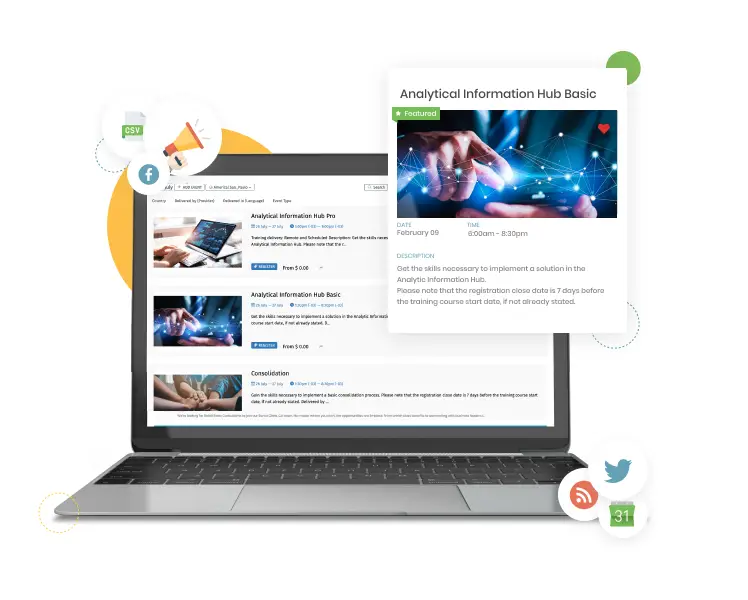
If you want to market your training program more effectively, you may want to consider Timely Online Training Software helps training providers create, schedule, and promote training programs from a single platform.
Training companies can build a training calendar on your website, manage individual sessions or full course catalogs, and automate key marketing workflows such as course reminders and class promotions. This reduces reliance on third-party marketplaces while keeping registrations centralized.
Timely software is trusted by organizations worldwide to manage and market training programs, professional courses, and recurring education schedules. The platform has earned independent recognition from GetApp as a Category Leader, based on verified customer reviews.
Practical Example: Create a Timely account, set up your training calendar, then publish a few courses. Next, install Timely on your website.
Result: More website traffic, engaged visitors and potential new sales.
III. Conclusion: Marketing a Training Program is Key to Succeed
Finally, by integrating these strategies, training providers can effectively promote training courses online, attract more learners, and achieve greater success.
Lastly, with Timely, you can build and scale your training programs efficiently, utilizing integrative solutions for planning, promotion, engagement, registration, and delivery. Discover Timely's Training Management Software by contacting us today! – Online training, scheduling, and more!
IV. Frequently Asked Questions About Marketing Training Programs
1. What are effective social media strategies for marketing a skill development program?
Post one outcome per piece of content (skill gained, certificate earned, promotion achieved). Also, rotate formats (short video, carousel, text) and add one clear CTA. This supports marketing a program and marketing a course while keeping your message consistent.
2. What are the best platforms to market a professional training program online?
For corporate training, prioritize LinkedIn, partner newsletters, and HR communities. On the other hand, for individual learners, focus on SEO, YouTube, and course marketplaces. Route clicks to one landing page so marketing a training course converts into registrations.
3. What are services that help promote and sell online training courses?
Services that help promote and sell online training courses typically include:
- Email marketing + automation (nurture sequences)
- Webinar/meeting tools (live demos)
- Analytics (conversion tracking)
- Training management software (schedule, registration, reminders, payments)
4. How to create an email campaign for promoting a corporate training course:
Use a 4-email sequence: (1) outcomes + problem, (2) agenda + proof, (3) logistics + ROI for managers, (4) deadline + final CTA. Segment by role (HR, managers, learners). Track click-to-open rate (CTOR) and keep one CTA per email.
5. How to leverage influencer marketing to boost training program enrollment:
Choose niche creators with credibility (not just reach). Give them a free seat, a clear outcome list, and a tracked link. This supports marketing a training program while keeping messaging authentic.
6. What’s the best way to recruit partners for an affiliate marketing training course?
If you sell an affiliate marketing training program or an affiliate marketing training course, recruit partners who already teach or consult in that niche. Provide a tracked link and a simple payout per registration. This makes promoting training courses scalable and predictable.
7. Where to advertise a new training program to reach HR professionals?
To reach HR professionals, prioritize LinkedIn (organic + paid), HR newsletters, and partnerships with HR consultants and associations. Further, use a landing page written for HR outcomes and reporting. Since, this can support searches related to marketing training jobs and marketing training jobs in L&D.
8. How to use online ads to attract participants to a training workshop:
Run search ads for high-intent keywords and retarget visitors who viewed your registration page. Also, keep one offer per campaign, use one CTA (“Register”), and track cost per registration weekly. Ads work best when the landing page is specific about outcomes, schedule, and who the workshop is for.
9. How to build a landing page that converts visitors into training program sign-ups:
Include outcomes, who it’s for, module breakdown, instructor credibility, schedule, pricing or “request a quote,” FAQs, and testimonials. Repeat one CTA 3–5 times. Further, this improves marketing a training program conversions.
10. What are the top tools for managing and marketing educational training programs?
A practical stack usually includes:
- Training calendar + registration
- Email automation
- Analytics + conversion tracking
CRM (optional for B2B): This supports a marketing education program and makes marketing training programs easier to scale.


